Views: 0 Author: Site Editor Publish Time: 2025-10-22 Origin: Site


In today's fast-paced manufacturing environment, precision and efficiency are paramount, especially in the textile and leather industries. Multi-functional knife cutting machines have emerged as essential tools, revolutionizing the way materials are cut. These advanced machines utilize computer-controlled blades to deliver clean, accurate cuts across a variety of fabrics and leathers, significantly reducing waste and enhancing product quality. By integrating automation and sophisticated software, they streamline production processes, enabling manufacturers to meet the growing demands for speed and precision. This article explores the critical role these machines play in modern textile and leather production, highlighting their benefits and applications.
Multi-functional knife cutting machines are advanced tools designed to cut various materials like textiles and leather with high precision. They use sharp blades that can move in different directions to follow complex patterns. These machines typically consist of several key components:
● Cutting blade: The main tool that slices through the material. It can be straight, oscillating, or rotary.
● Cutting table: A flat surface where materials are placed for cutting.
● Control system: Usually computer-controlled, allowing precise movement of the blade.
● Software interface: Enables loading of cutting patterns, often using CAD/CAM files.
● Material handling system: Some models include automated feeders, stackers, or conveyors.
Together, these parts allow the machine to perform clean, accurate cuts on a variety of fabric types and thicknesses.
There are several types of knife cutting machines, each suited for different applications:
● Oscillating Knife Machines: Use a blade that moves up and down rapidly while moving horizontally to cut. Ideal for thick or tough materials like leather.
● Straight Knife Machines: Feature a blade that moves in a straight line, best for softer, thinner fabrics.
● Rotary Knife Machines: Employ a round blade that rotates to cut, useful for intricate patterns and delicate textiles.
● Multi-blade Machines: Equipped with several blades to cut multiple layers simultaneously, increasing productivity.
Each type offers unique advantages depending on the material type, thickness, and cutting complexity.
Traditional cutting methods, such as manual cutting with scissors or single-blade cutters, often lack precision and efficiency. They can lead to material waste, inconsistent cuts, and slower production times. Multi-functional knife cutting machines differ in several ways:
● Precision: Computer-controlled blades follow exact patterns, reducing errors.
● Speed: Automated cutting is faster than manual processes.
● Consistency: Cuts are uniform across multiple layers and batches.
● Versatility: Machines can handle different materials and thicknesses without changing tools.
● Automation: Integration with software allows easy pattern changes and optimization.
These differences make multi-functional knife cutting machines indispensable in modern textile and leather production, helping manufacturers meet high standards and tight deadlines.
When selecting a knife cutting machine, consider the types of materials you work with and the cutting complexity to choose the blade type that maximizes precision and efficiency.
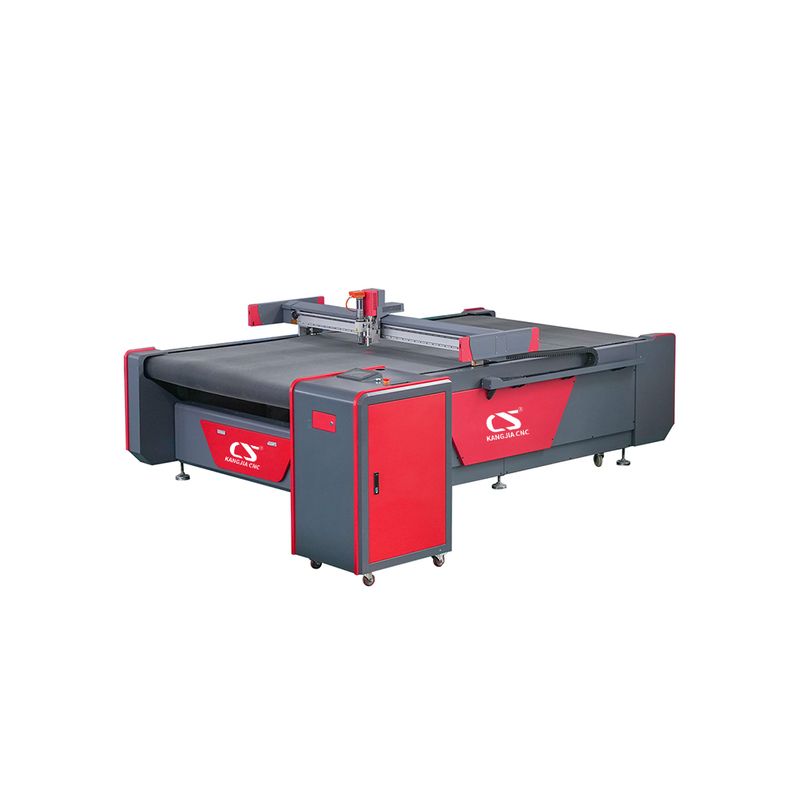
Multi-functional knife cutting machines excel at precision cutting. They follow exact digital patterns, slicing fabrics cleanly and consistently. This precision reduces material waste significantly compared to manual cutting. It also ensures each fabric piece matches design specifications perfectly. Whether cutting delicate silks or heavy denim, these machines maintain sharp, smooth edges that improve garment quality. Precise cuts reduce rework and speed up assembly, which benefits manufacturers aiming for high-quality outputs.
These machines boost efficiency in apparel production by automating time-consuming cutting tasks. They can cut multiple fabric layers simultaneously, increasing throughput without sacrificing accuracy. Automation reduces labor costs and minimizes human error. By integrating software, manufacturers can quickly switch cutting patterns for different designs, speeding up production cycles. This flexibility helps meet tight deadlines and fluctuating order volumes. Overall, multi-functional knife cutting machines streamline operations, allowing apparel makers to produce more garments faster and with less waste.
Technical textiles require precise, complex cuts to meet stringent performance standards. Multi-functional knife cutting machines handle these demands well. They cut materials like filters, insulation fabrics, and composites accurately, ensuring functionality is not compromised. The machines’ ability to cut various thicknesses and types makes them ideal for producing technical textiles used in industries such as healthcare, automotive, and construction. Their precision supports product reliability, which is critical for technical applications. As technical textile markets grow, these machines become increasingly vital for manufacturers.
When working with diverse fabric types, choose a machine offering adjustable blade settings to ensure clean cuts and reduce fabric damage.
Leather is a tough, flexible material that poses unique challenges during cutting. Its uneven thickness and natural grain make it difficult to cut precisely by hand or with simple tools. Manual cutting often leads to rough edges, material waste, and inconsistent shapes. Leather’s elasticity can cause it to stretch or shift during cutting, reducing accuracy. Additionally, cutting thick or layered leather requires significant force, which can damage the material or the cutting tools. These challenges make traditional methods slow, labor-intensive, and prone to errors, impacting product quality and production speed.
Multi-functional knife cutting machines solve many leather cutting issues. They use computer-controlled blades that follow exact patterns, ensuring clean, smooth edges every time. These machines can handle different leather thicknesses and types, from soft lambskin to thick cowhide, without changing tools. The precision reduces material waste and improves yield, saving costs. They also cut multiple layers simultaneously, boosting productivity while maintaining uniformity. Automation reduces manual labor and operator fatigue, allowing workers to focus on other tasks. Overall, these machines increase efficiency, consistency, and quality in leather processing.
Leather is widely used in upholstery and automotive interiors, where quality and durability matter. Multi-functional knife cutting machines help manufacturers meet these high standards. In upholstery, precise cuts ensure perfect fitting covers for furniture, avoiding wrinkles or loose fabric. This improves the final product’s appearance and lifespan. In the automotive sector, cutting machines produce exact shapes for seats, door panels, and dashboards, ensuring seamless assembly and comfort. The ability to cut complex patterns quickly supports mass production while maintaining premium quality. These advantages make multi-functional knife cutting machines essential tools in these industries, driving innovation and competitiveness.
When cutting leather, choose machines with adjustable blade pressure and speed to prevent material damage and ensure smooth edges.
Modern multi-functional knife cutting machines often integrate seamlessly with CAD (Computer-Aided Design) and CAM (Computer-Aided Manufacturing) software. This integration allows manufacturers to upload precise digital patterns directly into the cutting system. It eliminates manual pattern transfers, reducing errors and speeding up the setup process. CAD/CAM compatibility also enables quick modifications to designs, which is essential for fast-paced production environments. For example, a fashion company can adjust garment patterns on the fly and immediately implement changes without stopping production. This digital workflow enhances accuracy and flexibility, making cutting operations more efficient and responsive to market demands.
Automation plays a crucial role in enhancing the capabilities of knife cutting machines. Advanced models include features such as automatic material feeding, layer stacking, and blade calibration. These reduce manual labor and operator fatigue, allowing continuous operation with minimal supervision. Optimization algorithms help plan cutting paths to maximize material usage and minimize waste. Some machines use sensors to detect fabric thickness or imperfections and adjust blade pressure accordingly. This smart automation ensures consistent cut quality across different materials and thicknesses. Together, these features boost productivity, reduce costs, and improve overall manufacturing efficiency.
Looking ahead, artificial intelligence (AI) and the Internet of Things (IoT) are set to transform knife cutting technology further. AI can analyze cutting patterns and material behavior to optimize blade movement and speed in real time. This leads to even less fabric waste and faster cutting cycles. IoT connectivity enables machines to communicate with other equipment on the factory floor, creating a fully integrated production line. Real-time monitoring allows predictive maintenance, reducing downtime by alerting operators before failures occur. These technologies also support data-driven decision-making, helping manufacturers improve processes and product quality continuously. As AI and IoT mature, multi-functional knife cutting machines will become smarter, more autonomous, and more adaptable to complex production needs.
Invest in knife cutting machines that support CAD/CAM integration and automation features to enhance precision, reduce waste, and future-proof your production line.
The market for multi-functional knife cutting machines in textile and leather production is expanding steadily. In 2024, the global market value hovered around USD 450 million. This growth is driven by increasing demand for faster, more accurate cutting processes across apparel, upholstery, automotive, and technical textile sectors. Manufacturers seek machines that reduce material waste, speed up production, and handle diverse fabric types and thicknesses. Automation and digital integration have become key factors influencing purchasing decisions. Companies adopting these machines gain a competitive edge by improving output quality and operational efficiency.
Forecasts suggest this market will grow at a compound annual growth rate (CAGR) of about 6.5% through 2033. By then, the market size could reach approximately USD 750 million. This rise reflects broader trends such as Industry 4.0 adoption, increased use of AI and IoT in manufacturing, and the need for sustainability through waste reduction. Growth also ties to expanding technical textile applications and rising demand in emerging markets. As production complexity increases, manufacturers will rely more on multi-functional knife cutting machines to meet quality and speed requirements.
Several companies lead the way in delivering cutting-edge knife cutting machines:
● Gerber Technology: Known for innovative CAD/CAM solutions and versatile cutting systems.
● Lectra: Specializes in integrated hardware and software for fashion and upholstery sectors.
● Zünd: Offers high-precision cutting tables tailored for various fabric types.
● Eastman Machine Company: Focuses on automated fabric cutting for industrial applications.
● Bullmer: Provides robust systems with advanced automation features.
● Vanguard Machinery: Renowned for high-speed and reliable cutting solutions.
● Zhejiang Yuelong Machinery Co., Ltd: Offers cost-effective machines for textile cutting.
These players continually invest in R&D to enhance machine precision, automation, and integration capabilities. Their solutions support manufacturers in scaling operations while maintaining quality.
When evaluating knife cutting machines, prioritize vendors offering strong software integration and automation features to future-proof your production and maximize ROI.
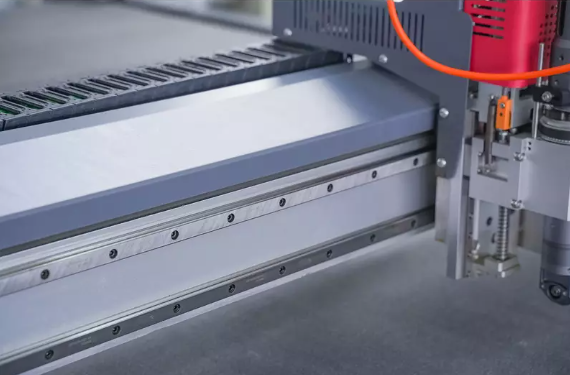
Selecting the right multi-functional knife cutting machine starts by understanding the fabrics you work with. Different materials require different blade types and cutting pressures. For example, thin, delicate fabrics like silk need gentle handling and sharp blades to avoid fraying. Heavy materials like leather or denim demand stronger blades and more force. Thickness also matters. Machines must adjust blade depth and speed to cut through single or multiple layers cleanly. If your production involves various fabric types, choose a machine with adjustable blade settings and pressure controls. This flexibility ensures clean cuts, reduces material damage, and improves overall efficiency.
Precision is key in textile and leather production. Accurate cuts reduce waste, improve product fit, and speed up assembly. Multi-functional knife cutting machines provide consistent, repeatable precision that manual cutting cannot match. Look for machines that offer high-resolution control over blade movement and pattern following. Features like automatic blade calibration and real-time error detection help maintain accuracy throughout production runs. Precision cutting also supports complex designs and reduces the need for rework, saving time and costs. The better the cutting precision, the higher the product quality and customer satisfaction.
Modern cutting machines often come with automation features and software integration that boost productivity. Automated fabric feeding, stacking, and unloading reduce manual labor and speed up operations. Integration with CAD/CAM software allows seamless import of digital patterns, enabling quick design changes without downtime. Some machines offer nesting optimization software that arranges patterns to minimize fabric waste. Others include real-time monitoring and diagnostics to maintain peak performance. When choosing a machine, consider how well it integrates into your existing production workflow. Automation and software compatibility are vital for scaling production and staying competitive.
Prioritize machines offering adjustable blade settings, high cutting precision, and seamless CAD/CAM integration to handle diverse materials efficiently and future-proof your production.
Multi-functional knife cutting machines enhance precision, efficiency, and versatility in textile and leather production. They automate complex cuts, reducing waste and labor costs. Future advancements in AI and IoT will further improve these machines' capabilities. Jinan Kangjia CNC Equipment Co., Ltd offers cutting-edge solutions, providing exceptional value through advanced features and reliable performance. Their machines seamlessly integrate into production lines, ensuring high-quality outputs and operational efficiency, making them indispensable in modern manufacturing.
A: Multi-functional Knife Cutting Machines are used for precision cutting of textiles and leather, ensuring clean, accurate cuts that reduce material waste and improve product quality.
A: Unlike traditional methods, Multi-functional Knife Cutting Machines utilize computer-controlled blades for precise, consistent cuts, enhancing speed and efficiency while minimizing errors.
A: They automate cutting tasks, increasing productivity and reducing labor costs, while ensuring precise cuts that meet design specifications, essential for high-quality apparel production.
A: These machines handle various leather thicknesses and types with precision, reducing waste, improving yield, and enhancing efficiency and consistency in leather processing.
A: They seamlessly upload digital patterns, reducing setup errors and allowing quick design modifications, enhancing accuracy and flexibility in fast-paced production environments.


