Views: 0 Author: Site Editor Publish Time: 2025-11-03 Origin: Site


Laser cutting technology is transforming precision manufacturing. With focused beams of light, it cuts through materials quickly and accurately. As industries demand higher precision, laser cutting machines have become essential.
In this article, we will explore the benefits of laser cutting machines in precision manufacturing. You will learn how they improve production speed, accuracy, and material efficiency, making them indispensable in modern manufacturing.
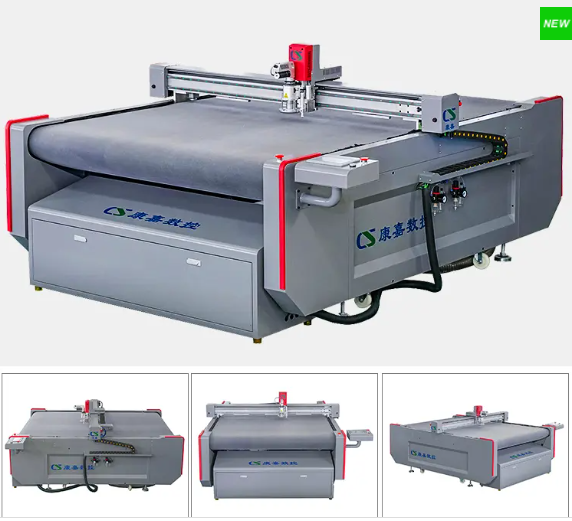
Laser cutting is a thermal process where a high-intensity laser beam is focused onto a material to melt, vaporize, or burn it, creating clean cuts with high precision. This method allows manufacturers to achieve intricate designs and fine details in a wide range of materials. The process relies on thermal separation, where the laser’s heat exceeds the melting point of the material, causing it to separate at the point of contact.
Laser cutting machines are classified into two main categories: solid-state and gas lasers.
| CO2 Lasers | These use a gas mixture (carbon dioxide, helium, and nitrogen) to generate a laser beam. CO2 lasers are suitable for cutting both metallic and non-metallic materials, particularly thicker non-metallic materials. |
| Fiber Lasers | Fiber lasers use fiber optics to transmit laser light and are ideal for metals, offering faster cutting speeds and greater precision, particularly in thin metals like stainless steel, aluminum, and copper. |
Both types of lasers serve distinct purposes in precision manufacturing, with CO2 lasers often used for thicker materials and fiber lasers preferred for their precision on reflective materials and thin metals.
Laser cutting machines are versatile, capable of cutting a variety of materials, including:
| Metals | Steel, stainless steel, aluminum, brass, and titanium. |
| Plastics | Acrylic, polycarbonate, ABS, and PVC. |
| Wood and Composites | Plywood, MDF, and carbon fiber. |
| Glass | For engraving or cutting thin glass sheets. |
This flexibility allows laser cutting machines to cater to industries ranging from automotive to aerospace and electronics.
One of the key advantages of laser cutting is its ability to achieve tolerances as tight as 0.1mm. This precision makes it an ideal choice for industries that require exact dimensions, such as electronics and medical device manufacturing. Compared to traditional cutting methods like mechanical saws or plasma cutting, laser cutting ensures consistent accuracy over long production runs.
Unlike mechanical cutting tools, laser cutting does not require direct contact with the material. This absence of physical contact eliminates tool wear and tear, allowing for uninterrupted production runs without the need for regular tool replacements or maintenance. This results in consistent precision throughout the manufacturing process.
Laser cutting machines are controlled via Computer Numerical Control (CNC), ensuring that each cut is identical to the last. This repeatability makes it an ideal choice for mass production, where maintaining consistency across multiple units is crucial. CNC systems also help optimize machine speed and material usage, further improving manufacturing efficiency.
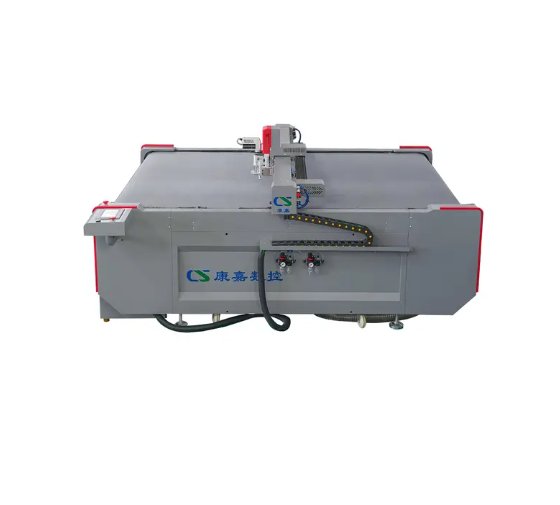
Laser cutting machines can operate at impressive speeds, often faster than traditional methods like plasma cutting and mechanical cutting. With speeds of up to 1200 inches per minute, laser cutting significantly reduces production time. This increase in speed leads to faster turnaround times and more efficient production workflows.
Laser cutting technology requires minimal setup, as it is typically automated and requires little manual intervention. This reduces setup times compared to conventional methods, where tools and machines need to be adjusted frequently. The faster setup and high speed of laser cutters increase overall throughput, enabling manufacturers to complete more jobs in less time.
Laser cutting machines can be integrated with automated systems, enhancing production flow and reducing human error. These systems allow for continuous operation without the need for frequent stops, ensuring that the manufacturing process remains efficient and cost-effective. Automated laser cutting systems can also optimize material cutting paths, further enhancing productivity.
Laser cutting machines produce a narrow kerf (cutting width), meaning less material is wasted compared to traditional cutting methods. This efficiency translates into cost savings, as manufacturers can cut more parts from the same sheet, reducing material costs. Additionally, laser cutting allows for nesting, a technique that arranges the parts on the material in the most space-efficient way possible.
By eliminating the need for tools like saw blades or drills, laser cutting reduces the overall maintenance costs associated with traditional cutting methods. There are also fewer secondary operations required since laser cutting produces clean, precise cuts with minimal burrs. This lowers the need for post-processing like grinding, polishing, or deburring, resulting in reduced labor and material costs.
Laser cutting allows for better utilization of materials, with up to 94% of the sheet being used, especially when parts are nested effectively. This high sheet utilization reduces material waste and ensures a lower cost per part. The result is a more efficient use of raw materials and a more cost-effective production process.
| Cutting Method | Precision/Tolerances | Kerf Width | Intricate Design Capabilities | Speed | Material Waste | Tooling Costs | Post-Cut Finishing |
|---|---|---|---|---|---|---|---|
| Laser Cutting | ± 0.0127 mm | Narrow | Most Capable | Fast | Low | None | Low |
| Waterjet Cutting | ± 0.0254 mm | Moderate | Capable | Moderate | Low | None | Moderate |
| Plasma Cutting | ± 0.254 mm - ± 0.762 mm | Wide | Some Not Possible | Slow | Higher | None | High |
| Mechanical Cutting | Thicker materials vary | Very Wide | Many Not Possible | Very Slow | High | Yes | High |
Laser cutting provides superior precision and minimal material waste compared to other cutting methods, making it ideal for high-precision, high-speed applications.
Laser cutting machines excel at producing custom and complex designs. Unlike traditional methods, which are limited by tooling and machine setup, laser cutting can easily handle intricate and highly detailed patterns. This flexibility makes it ideal for industries that require unique parts or rapid prototyping.
Laser cutting can be applied to a broad spectrum of materials, from metals to plastics to organic materials. The ability to cut various materials at different thicknesses further expands the versatility of laser cutters. This adaptability allows manufacturers to address the specific needs of each project, whether it involves thin sheets of metal or thick plastic components.
Laser cutting machines are particularly beneficial for rapid prototyping, allowing manufacturers to quickly iterate on designs. This feature is essential for industries where speed to market is critical. Additionally, laser cutting is ideal for low-volume production, as it does not require expensive molds or dies, reducing costs for short production runs.
Modern laser cutting machines are designed to be energy-efficient, consuming less power than many traditional cutting methods. This energy efficiency not only reduces operational costs but also contributes to sustainability efforts in manufacturing. As manufacturers seek to minimize their carbon footprint, laser cutting offers a more eco-friendly alternative to other methods.
Laser cutting produces high-quality edges with minimal surface imperfections. As a result, there is less need for additional finishing processes, such as deburring or grinding. This not only reduces the environmental impact associated with secondary finishing but also saves time and money.
Laser cutting generates less waste and harmful emissions compared to traditional methods. Since there is no physical contact with the material, there is less dust and debris produced during cutting. Additionally, the high precision of laser cutting reduces the need for material rework, further minimizing waste and contributing to more sustainable manufacturing practices.
In the automotive industry, laser cutting is used to create precise parts for vehicles, such as body panels, engine components, and exhaust systems. The precision and speed of laser cutting make it ideal for producing high-quality parts that meet the demanding standards of the automotive sector.
Laser cutting is essential for producing lightweight, high-precision components in the aerospace and defense industries. From structural parts to specialized components for military vehicles, laser cutting ensures that these critical components are manufactured with the utmost accuracy.
Laser cutting is widely used in the electronics and medical device sectors, where precision is paramount. It is used to cut small, intricate parts such as circuit boards, surgical instruments, and pacemakers. Laser cutting’s ability to handle delicate materials makes it ideal for these industries.
Laser cutting is extensively used in metal fabrication and heavy equipment manufacturing. Whether cutting structural steel or intricate parts for machinery, laser cutting provides the precision and efficiency needed to meet the demands of these industries.
Laser cutting machines are revolutionizing precision manufacturing by offering unmatched speed, accuracy, and efficiency. These machines reduce material waste and enhance production turnaround, making them invaluable tools for modern manufacturers. With the ability to handle a variety of materials and produce intricate designs, laser cutting is essential for industries worldwide.
As the need for high-precision parts increases, manufacturers must adopt laser cutting technology to stay competitive. This technology helps businesses improve processes, cut costs, and deliver superior products.
For companies looking to optimize production efficiency, laser cutting provides significant benefits in precision, speed, and cost savings. Kangjia offers advanced solutions with products that bring value through enhanced manufacturing processes.
A: Laser cutting machines use focused laser beams to cut through materials with high precision. They are commonly used in manufacturing to create intricate designs and parts with tight tolerances.
A: Laser cutting machines focus a high-intensity laser beam on the material, using thermal separation to melt, vaporize, or burn it. The process is controlled by CNC to ensure accuracy.
A: Laser cutting machines offer unmatched speed, accuracy, and efficiency. They reduce material waste and improve production turnaround, making them ideal for high-precision applications.
A: Laser cutting machines can cut metals, plastics, wood, and composites. They are versatile and can handle various materials in different thicknesses.
A: Yes, they reduce material waste, lower operational costs, and eliminate the need for tooling, making them a cost-effective solution in precision manufacturing.


